
Introduction
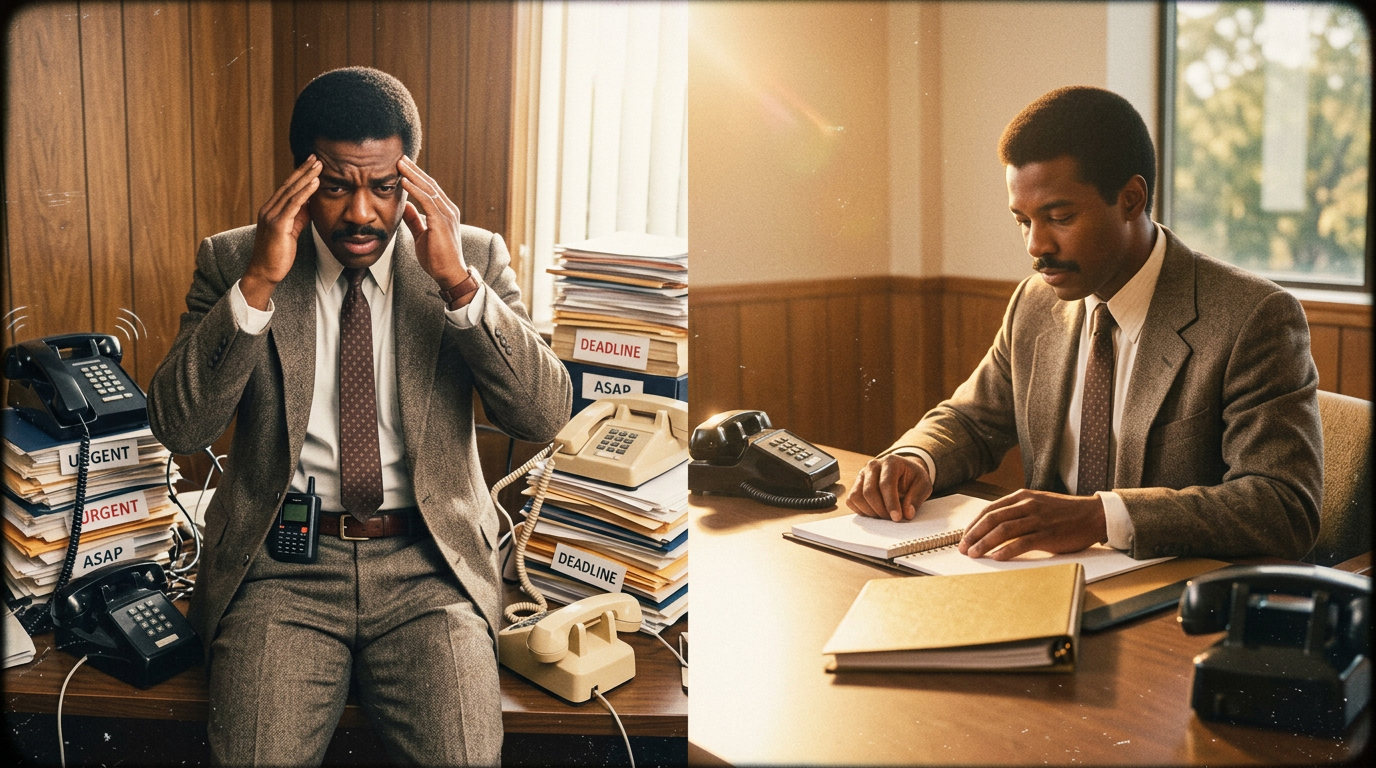
Your phone buzzes with a notification. A message arrives. Suddenly, everything shifts. The work you were procrastinating on suddenly has urgency. Therefore, you drop what you’re doing and respond immediately. This pattern happens dozens of times daily.
Here’s what’s interesting: most of these urgencies aren’t real. Rather, they’re manufactured by the expectation that you should respond immediately. Yet your brain treats them as genuine emergencies. Consequently, you spend your day reacting to false urgencies instead of working on what actually matters.
This is the urgency trap. It’s different from real deadline pressure. Rather, it’s the constant low-grade panic created by notifications, messages, and interruptions. Importantly, the urgency trap keeps procrastination alive because it prevents deep focus. Additionally, it trains your brain to crave urgency as the trigger for action.
Why Your Brain Loves Urgency
The Neurochemical High
Urgency releases adrenaline and cortisol. Therefore, you feel alert and focused. Additionally, your brain rewards this state with dopamine when you respond quickly. Consequently, responding to urgency becomes addictive. Moreover, without urgency, normal work feels slow and dull by comparison.
This is why so many procrastinators describe themselves as “working best under pressure.” Essentially, they’re not working better—they’re just experiencing more neurochemical stimulation. Furthermore, the stimulation feels like productivity, so they mistake it for effectiveness.
The Cost of Urgency Addiction
Over time, your nervous system requires higher urgency for activation. Consequently, you start creating artificial deadlines to trigger the urgency you’re now dependent on. Additionally, this means you procrastinate more, which creates more real urgency. Therefore, you’re caught in a cycle that feeds itself.
The False Urgency Types
Type 1: The Notification Urgency
Your email pings. Your Slack lights up. Someone texts. Immediately, your brain interprets this as urgent. Therefore, you stop what you’re doing to respond. Notably, 90% of these notifications could wait hours or days without consequence.
Yet responding to them creates genuine urgency—lost focus, interrupted work, broken concentration. Consequently, you create your own urgency through responding to false urgencies. The irony is profound.
Type 2: The Self-Created Urgency
You set fake deadlines to trigger yourself into action. “I’ll have this done by Friday,” you tell your team, even though Friday is arbitrary. Subsequently, when Friday arrives, you panic and work urgently. Importantly, this self-created urgency is actually procrastination with extra steps.
Type 3: The Comparison Urgency
Someone else’s deadline feels like yours. Their crisis becomes your crisis. Therefore, you attend to their urgencies before your own priorities. Additionally, this trains you to respond to others’ timelines instead of your own strategic thinking.
Breaking Free From the Urgency Trap
Step 1: Distinguish Real From False Urgency
Real urgency has genuine consequences if missed. Therefore, ask: “What actually happens if this doesn’t happen in the next hour?” If the answer is “nothing serious,” it’s false urgency. Additionally, most work falls into this category. Notably, you can respond to it strategically rather than reactively.
Step 2: Turn Off Notifications
This is the single most powerful action you can take. Therefore, disable notification sounds and badges. Additionally, check email and messages at specific times—not constantly. Importantly, this alone breaks the urgency habit because the constant stimulation stops.
Step 3: Establish Real Deadlines
Rather than false urgencies, create strategic deadlines. Specifically, these are real commitments with actual consequences. Additionally, space them appropriately so you can work deliberately. Therefore, you’re replacing false urgency with real structure—which is more sustainable and effective.
The Producer’s Relationship With Urgency
Urgency Is a Tool, Not a Lifestyle
Producers use deadline urgency strategically. Notably, they don’t live in it constantly. Additionally, they distinguish between real deadlines and manufactured ones. Furthermore, they use urgency to focus when needed, but they also work effectively without it.
Strategic Planning Replaces Urgency Addiction
Instead of reacting to urgencies, producers plan strategically. Therefore, they know what matters. Additionally, they protect time for important work. Moreover, they respond to genuine urgencies, but they don’t chase false ones. Importantly, this approach is far more effective than urgency-driven work.
From Urgency Addiction to Strategic Action
The urgency trap keeps procrastination alive by preventing deep work. Moreover, it hijacks your attention constantly. Therefore, breaking free requires deliberately turning off false urgencies and creating real structure instead.
This isn’t about missing important messages. Rather, it’s about responding to them strategically rather than reactively. Additionally, it’s about recognizing that your best work comes from focus, not panic. Consequently, when you break free from urgency addiction, you discover you’re actually more productive.
Click here to: [ “Break Your Urgency Addiction” ]
Follow me on Instagram. Click Here

free download
Want To Feel More Confident About Getting Things Done?
Grab this FREE guide that will help you break free from procrastination and boost your productivity!